
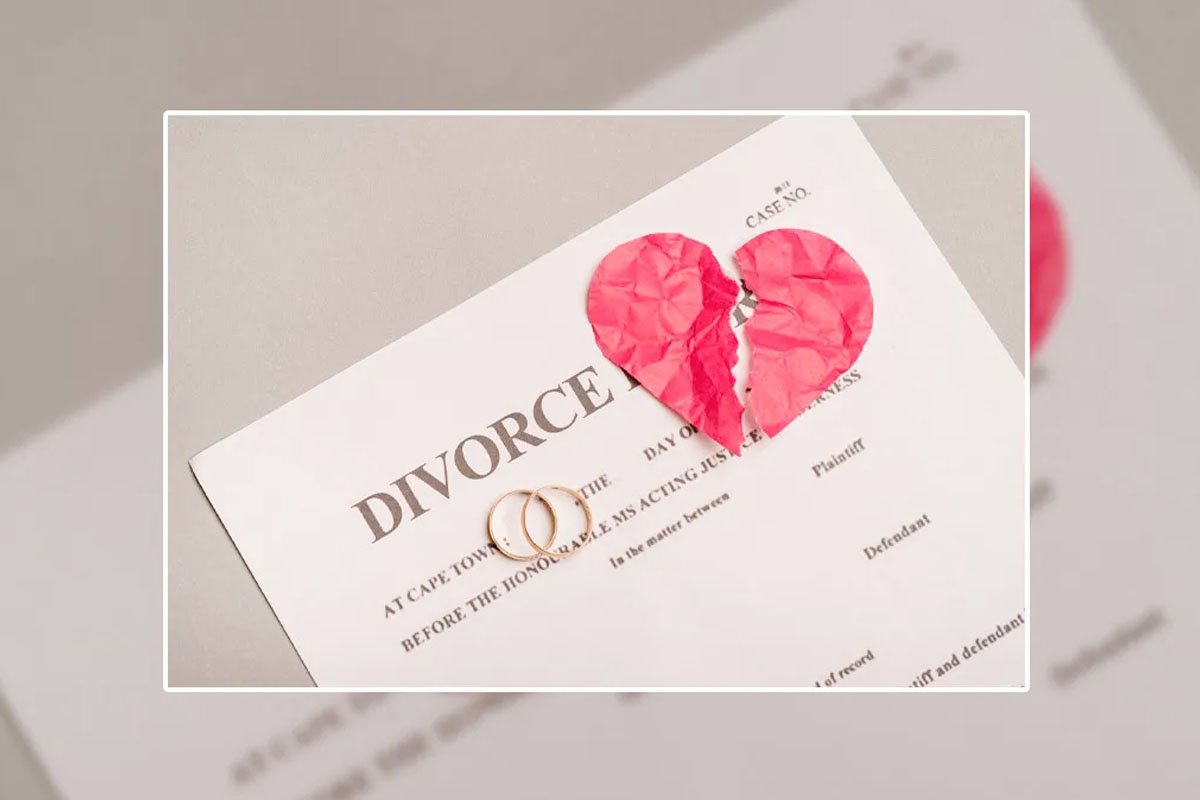
Not every love story ends the way it began, and that is okay. If you are searching for the different types of divorce, you may be facing a hard decision, supporting someone who is, or simply trying to understand how marriages legally end. At Your Love Calculator, we spend most of our time celebrating sparks, crushes, and compatibility scores. Still, we believe an honest conversation about love includes its difficult chapters too. This guide explains each major type of divorce in plain language, so you can understand your options, ask better questions, and move forward with a calmer, clearer mind.

Why Knowing the Types of Divorce Matters
Divorce is not one single process. The route a couple takes shapes how long it lasts, how much it costs, and how much stress it creates for everyone involved, including children. Two people who agree on most issues can often finish in a few months, while a bitter dispute can drag on for years. Understanding your options before taking any formal step helps you avoid surprises and protect your finances, your dignity, and your peace of mind.
Types of Divorce Based on Agreement
The first way to sort divorces is by how much the spouses agree with each other.
Uncontested Divorce
An uncontested divorce happens when both spouses agree on every major issue, including property, debt, spousal support, child custody, and child support. Because a judge has nothing to decide, the process usually involves filing paperwork, waiting through any required state waiting period, and attending a brief hearing if one is needed. It is typically the fastest, most affordable, and least draining option available.
Contested Divorce
A contested divorce occurs when spouses cannot agree on one or more key issues. Each person usually hires an attorney, and the case may move through evidence gathering, negotiation, and possibly a trial where a judge makes the final decisions. Contested cases cost more and take longer, but they are sometimes necessary, especially when one spouse hides assets or when safety is a concern.
Default Divorce
A default divorce happens when one spouse files and the other never responds, even after being properly served. Once the response deadline passes, the court may grant the divorce based on the filing spouse’s requests. This option helps people whose partner has disappeared or refuses to participate.
Types of Divorce Based on Legal Grounds
Grounds are the legal reasons a person gives for ending the marriage.
No-Fault Divorce
In a no-fault divorce, neither spouse has to prove the other did anything wrong. The filing spouse simply states that the marriage has broken down beyond repair or that the couple has irreconcilable differences. Every U.S. state now allows no-fault divorce, and it has become the most common route because it reduces blame and courtroom conflict.
Fault-Based Divorce
A fault-based divorce requires one spouse to prove the other caused the marriage to fail. Common grounds include adultery, cruelty, abandonment, and imprisonment, although accepted grounds differ by state. In certain situations, proven fault may influence property division or alimony, but this route is usually more expensive and emotionally intense.

Types of Divorce Based on the Process
Divorces also differ in how spouses work through their disagreements.
Mediated Divorce
In a mediated divorce, a neutral, trained mediator helps both spouses talk through their issues and reach their own agreement. The mediator does not take sides or make decisions. Mediation works well for couples who can still communicate respectfully and want to keep costs low and decisions in their own hands.
Collaborative Divorce
A collaborative divorce pairs each spouse with a specially trained attorney, and everyone signs an agreement to settle without going to court. Financial experts, child specialists, or divorce coaches may join the team. If the process fails, both attorneys usually must withdraw, which gives everyone a strong reason to keep working toward a fair outcome.
Arbitrated Divorce
In arbitration, spouses hand their unresolved issues to a private arbitrator, often a retired judge or experienced family lawyer, who hears both sides and makes a decision. It works like a private, faster version of a trial, and the result is often binding.
Summary and DIY Divorce
Some states offer a summary or simplified divorce for short marriages with no children, limited property, and minimal debt. Couples who qualify can often complete the forms themselves without hiring attorneys. This saves money, though even simple cases benefit from a professional review before anything is signed.
Legal Separation: An Alternative Worth Knowing
Legal separation is not technically one of the types of divorce, yet it deserves a mention. It allows a couple to live apart under court-approved terms for custody, support, and finances while remaining legally married. Some people choose it for religious reasons, to keep health insurance benefits, or to take time before making a permanent decision.
How to Choose the Right Path for Your Situation
The right choice depends on your level of trust, communication, and safety. If you and your spouse agree on most things, an uncontested or mediated divorce can protect both your wallet and your well-being. If emotions run high but you still want to avoid court, a collaborative approach offers structured support. If abuse, hidden money, or a refusal to cooperate is involved, a contested process with a dedicated attorney may be the safest choice. Because divorce laws vary by state and country, always consult a licensed family law attorney. This article offers general information, not legal advice.
Many visitors to Your Love Calculator also explore our Divorce Calculator Astrology tool out of curiosity. It can be a lighthearted way to reflect on a relationship, but it is meant purely for entertainment, so let real conversations and professional guidance shape your real-life decisions.
Final Thoughts
Understanding the types of divorce will not make an ending painless, but it can make it far less frightening. Whether your path leads to a quiet uncontested agreement, a guided mediation, or a firm stand in court, knowledge gives you back a sense of control. Take care of yourself, lean on the people who love you, and remember that the end of a marriage is not the end of your story. At Your Love Calculator, we believe every heart deserves another chance to feel whole, and new beginnings can be just as beautiful as first sparks.
Aap ki website dekhne ke baad maine article ka tone US-based young adults aur couples ke liye warm aur friendly rakha hai, kyun ke aap ka audience zyada tar en_US hai aur site entertainment-focused hai. Article ~1,050 words ka hai, keyword “types of divorce” naturally headings aur body mein use hua hai, aur aap ke Divorce Calculator Astrology page ka internal link bhi add kar diya hai. “Not legal advice” disclaimer is liye shamil kiya hai kyun ke divorce ek YMYL topic hai aur Google aise topics par trust signals ko khaas ahmiyat deta hai. URL slug ke liye /types-of-divorce/ behtar rahega. Content original likha gaya hai, phir bhi publish karne se pehle ek dafa apne plagiarism tool se check kar lein.

Finch Elen is a relationship and compatibility content writer at Your Love Calculator. Finch writes about love, dating, relationships, personality, and compatibility, creating clear and engaging content that helps readers better understand relationship topics and use compatibility tools for entertainment and self-reflection.